[NEW] Meet Findwell, a fully-managed hub that makes your in-house experts findable, by search and AI.
As 2026 gets underway, global healthcare appears to be entering a more unsettled phase.
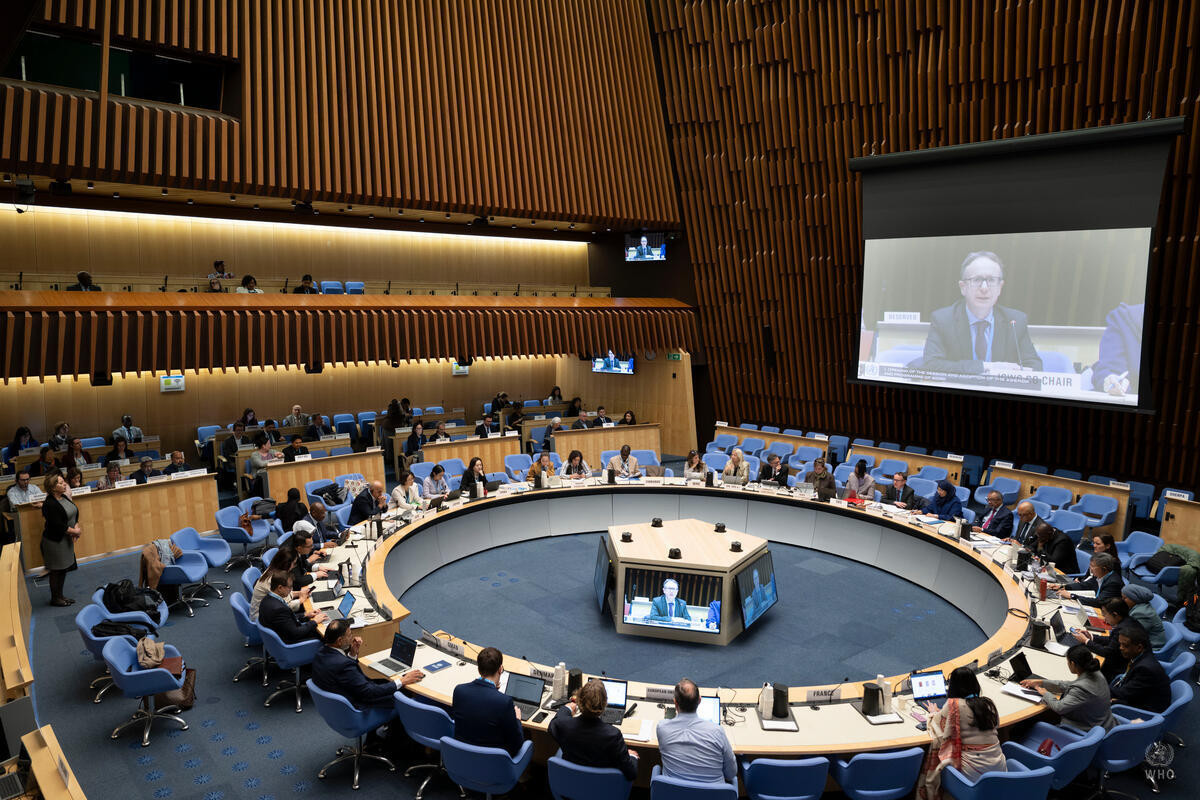
The clearest signal came with the US formally exiting the World Health Organisation (WHO).
For an institution at the centre of disease surveillance, outbreak response and global coordination, the departure of such a major contributor feels more than symbolic.
It raises fundamental questions around funding, leadership and how collective health risks will be managed in a world where political priorities and global health needs continue to diverge.
Despite this disruption, global systems have not ground to a halt. WHO member states have continued negotiations on the Pandemic Agreement, reinforcing the idea that preparedness cannot be optional.
This ongoing cooperation highlights a degree of institutional resilience and a reminder that global systems do not collapse overnight if they are able to adapt.
Global health systems are under strain, but continued cooperation shows they are more resilient than headlines suggest.
Elsewhere, the landmark global declaration on noncommunicable diseases and mental health signals a shift away from reactive emergency response and towards prevention, equity and long-term resilience.
It reflects a growing recognition that chronic disease and mental health require sustained, systemic solutions rather than short-term fixes.
In the UK, the NHS has taken steps to address the cancer postcode lottery — a tangible example of how access, outcomes and geographic inequality can be tackled in practice. It also suggests that pressure is beginning to move beyond policy announcements and towards delivery.
At a global level, progress continues quietly. The number of people requiring interventions for trachoma has fallen below 100 million for the first time. It is a significant milestone, and one that reinforces a simple point: multilateral health programmes do work when they are sustained over time.

Alongside these political and institutional shifts, health systems are increasingly looking inward. The Deloitte 2026 Global Healthcare Outlook suggests a year defined less by sweeping reform and more by operational pressure.
Workforce shortages remain acute across many countries. Ageing populations, burnout and the growing burden of chronic disease continue to drive demand, while budgets and capacity remain constrained.
Technology — particularly digital tools and AI — is often positioned as part of the solution, but it is not a silver bullet. The focus is shifting towards how innovation can be integrated into everyday care, how staff can be supported more effectively, and how systems can be designed around patients rather than processes.
Technology can support healthcare delivery, but it cannot replace sustainable workforce and system design.
In many ways, January reflects a broader reset for global health. A move from ambition to execution, and from short-term response to long-term resilience.
As the year unfolds, the defining question may not be whether change is needed but who is prepared to act, and how sustainable that action will be.