[NEW] Meet Findwell, a fully-managed hub that makes your in-house experts findable, by search and AI.
October brought a mix of progress and pressure across climate, nature, and finance. Some developments signalled real momentum, while others exposed just how far the world still is from building systems that can cope with rising environmental and economic strain.
From historic milestones in clean energy to sharp warnings about market stability and funding gaps, the month showed how tightly our environmental and financial futures are now tied together.
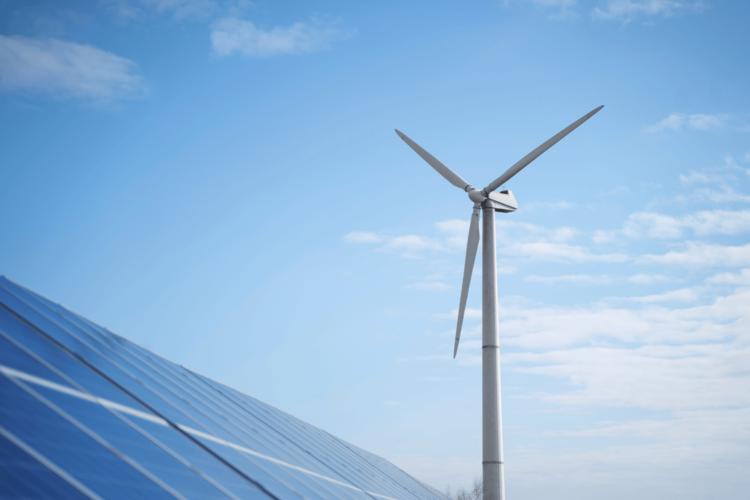
In a major win for sustainability, renewable power outpaced coal in global electricity generation for the first time ever, according to new international energy data. Wind and solar now generate more electricity than coal-fired plants, marking a significant moment that rebalances global power dynamics. It is a milestone worth celebrating, even if the journey ahead remains long.
Clean energy is accelerating fast, but the systems supporting nature and biodiversity are still falling behind.
Warnings on nature and biodiversity, however, grew louder. In Abu Dhabi, the International Union for Conservation of Nature closed its World Conservation Congress with a new 20-year roadmap aiming to embed conservation directly into economic planning. The message was clear: nature must be treated not as a casualty of growth, but as a cornerstone of resilience.
Across Europe, the situation for biodiversity sharpened further. A recent assessment on wild pollinators found that the number of wild bee species likely to face extinction has doubled in just a decade — a stark reminder that ecosystem loss is not an abstract risk but a direct threat to global food security.
The connection between environmental neglect and human health also came into sharper focus. The World Health Organization warned that climate inaction is already costing millions of lives each year, driven by heat stress and pollution-related disease. And in a sobering announcement, UN Secretary-General António Guterres stated the world has missed the 1.5°C target, shifting the conversation from prevention to adaptation.
Environmental progress is accelerating, but the financial systems needed to support it are still catching up.
Finance, meanwhile, showed both ambition and strain.
The UN’s latest Adaptation Gap Report exposed an enormous shortfall: developing nations may need up to $365 billion a year to adapt to climate change — yet current funding covers barely a tenth of that. It is a reminder that while money moves quickly, meaningful investment in resilience lags far behind.
The International Monetary Fund added its own warning, noting that global markets are edging toward a potential "disorderly correction" as high valuations collide with geopolitical tension. The message landed at a time when the financial world is being forced to balance risk with responsibility.
But amid the pressure, signs of momentum emerged. The UK’s Financial Conduct Authority argued that the country remains a strong contender for sustainable finance, grounding its case in regulation, innovation, and investor interest. NatWest’s latest sustainability briefing echoed this, suggesting that climate and nature reporting has shifted from a niche ESG task to a defining marker of market credibility.
And in a forward-looking move, the International Capital Market Association released new guidance on integrating carbon into mainstream financial instruments, signalling that carbon markets may soon sit at the centre — not the fringes — of global finance.
October showed that progress rarely happens without pressure. Innovation is moving at full speed, often faster than the rules designed to guide it. Across climate and finance, we are seeing both resilience and strain: systems pushed to their limits yet still adapting, organisations adjusting in real time, and the shape of impact continuing to evolve.